protein powder

No-Bake Reese’s Protein Bites

No-Bake Chocolate Peanut Butter Protein Bites

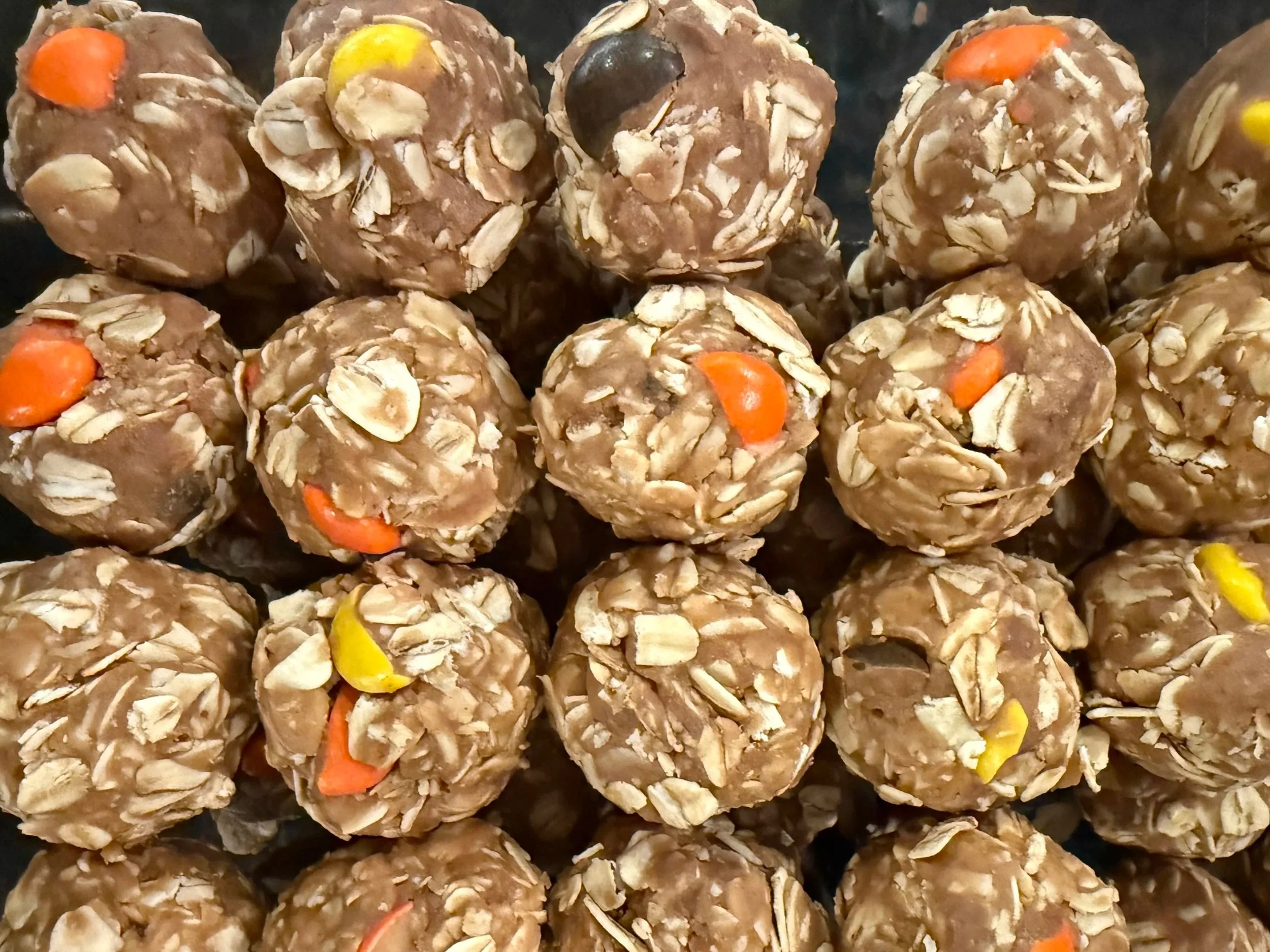
Healthy snacking just got an upgrade with these delicious, healthyish No Bake Reese’s Protein Bites! If you love peanut butter cups and want a snack that fuels your busy day, this quick no-bake recipe delivers the perfect balance of flavor, protein, and whole-grain goodness.

Made with creamy peanut butter, rolled oats, protein powder, and chopped Reese’s Peanut Butter Cups, these bites feel like a treat — but still support your energy needs whether you’re heading to the gym, packing school lunches, or grabbing a mid-afternoon boost.

Why You’ll Love This Recipe

✔ No baking required
✔ Protein-packed snack for athletes and active families
✔ Perfect for meal prep — stores well in the fridge
✔ Great way to satisfy a sweet craving with better-for-you ingredients

Ingredients:

1/2 cup creamy peanut butter*
1/4 cup maple syrup
1 scoop Reese’s Peanut Butter & Chocolate protein powder (e.g., C4)
1 teaspoon salt
4 Reese’s Peanut Butter Cups (chopped)
1 package Reese’s Pieces (chopped)
2 cups old fashioned rolled oats

Directions:

  1. In a mixing bowl combine creamy peanut butter, maple syrup, protein powder, and salt. Mix until smooth and well combined.

  2. Stir in chopped Reese’s Peanut Butter cups, then add old fashioned rolled oats.

  3. Form into bite size pieces. Store in airtight container in the fridge for up to one week or freeze for longer storage.

Nutrition highlights (per bite): 95 calories, 4 grams fat, 0.5 grams saturated fat, 135 milligrams sodium, 12 grams carbs, 2 grams fiber, 4 grams protein

Customize Your Bites

  • *Swap peanut butter for sunflower butter, almond, or cashew butter.

  • Add mini chocolate chips or chopped Hershey chocolate bar for variety.

Print Friendly and PDF

Q & A: Can a 13-year old take a protein powder after a workout?

Answer: No, I wouldn’t recommend it. In general, I recommend protein powder only when teens are older and even then, I always focus on food first and supplements second.

MOST children and teens (and adults too) meet their protein needs without taking protein supplements! The recommended protein intake for children 9 to 13 years old is 34 grams of protein per day. While active children do have slightly increased protein needs, one scoop of protein powder could have 20+ grams of protein or about 60% of their daily “need”.

Plus, many foods deliver protein and protein intake can add up quicker than you may think! Here is the approximate protein content of some foods:
4 ounces of meat, fish, or chicken - 28 grams protein
4 ounces of tofu - 18 g protein
1 cup of Greek yogurt - 16 grams protein
1 cup of black beans, kidney beans - 16 grams protein
2 tablespoons of peanut butter - 8 grams protein
1 cup of milk - 8 grams protein
1 cup of soy or pea protein milk - 8 grams protein
1 egg - 6 grams protein
1 ounce of cheese - 6 grams protein
1 packet of oatmeal - 4 grams protein

The winning “formula” to refuel after an intense workout is a combination of carbohydrates, fluids, and protein. This can be accomplished with a meal, a snack, a smoothie, or even chocolate milk!

  • Meal idea: Try a grain bowl with brown rice, grilled chicken, and veggies - paired with icy cold water! For more grain bowl ideas checkout Performance Bowls recipe collection.

  • Snack idea: Peanut butter + banana and icy cold coconut water!

  • Smoothie idea: Blend together 1 container (5.3 oz) of strawberry Greek yogurt, 1 cup frozen strawberries, and a 1/2 cup of milk or 100% orange juice. Blend until icy and smooth.

  • Chocolate milk: provides the perfect mix of fluids, carbohydrates, and protein. Another bonus of chocolate milk is that it is easy to bring with you or pick-up if you are traveling for sports. TIP: For an on-the-go chocolate milk solutions try Horizon Chocolate Milk boxes, a bonus is that they are shelf stable and do not need to be refrigerated.

If you are going to add a protein powder:

  1. Choose a protein powder that is third party certified (e.g. NSF Certified for Sport®), this will help to ensure that the product has in it what the container says and that it is free of banned substances. Plus, steer clear of products that have added “gainer” or “metabolism boosters”, these ingredients often lack scientific evidence and research to back the claims and are likely not safe for children and teens.

    Product Example: Vega Sport Protein Powder, Muscle Milk Pro Protein Powder, or Klean Athlete Recovery.

  2. Consider how much is a serving, protein powders can have 20 to 50 grams of protein “per serving” and adjust how much protein powder you add to a shake or smoothie for your teen. For example, only add 1/4 of a “serving” to keep the protein content in check.

To get your nutrition questions answered, drop us your question and we could answer it in an upcoming post!

Note: The products referenced in this post are not an advertisement.

Print Friendly and PDF