Do I need electrolytes or a sports drink during exercise?

Answered by board certified sports dietitian, Molly Morgan, RDN, CDN, CSSDRD.

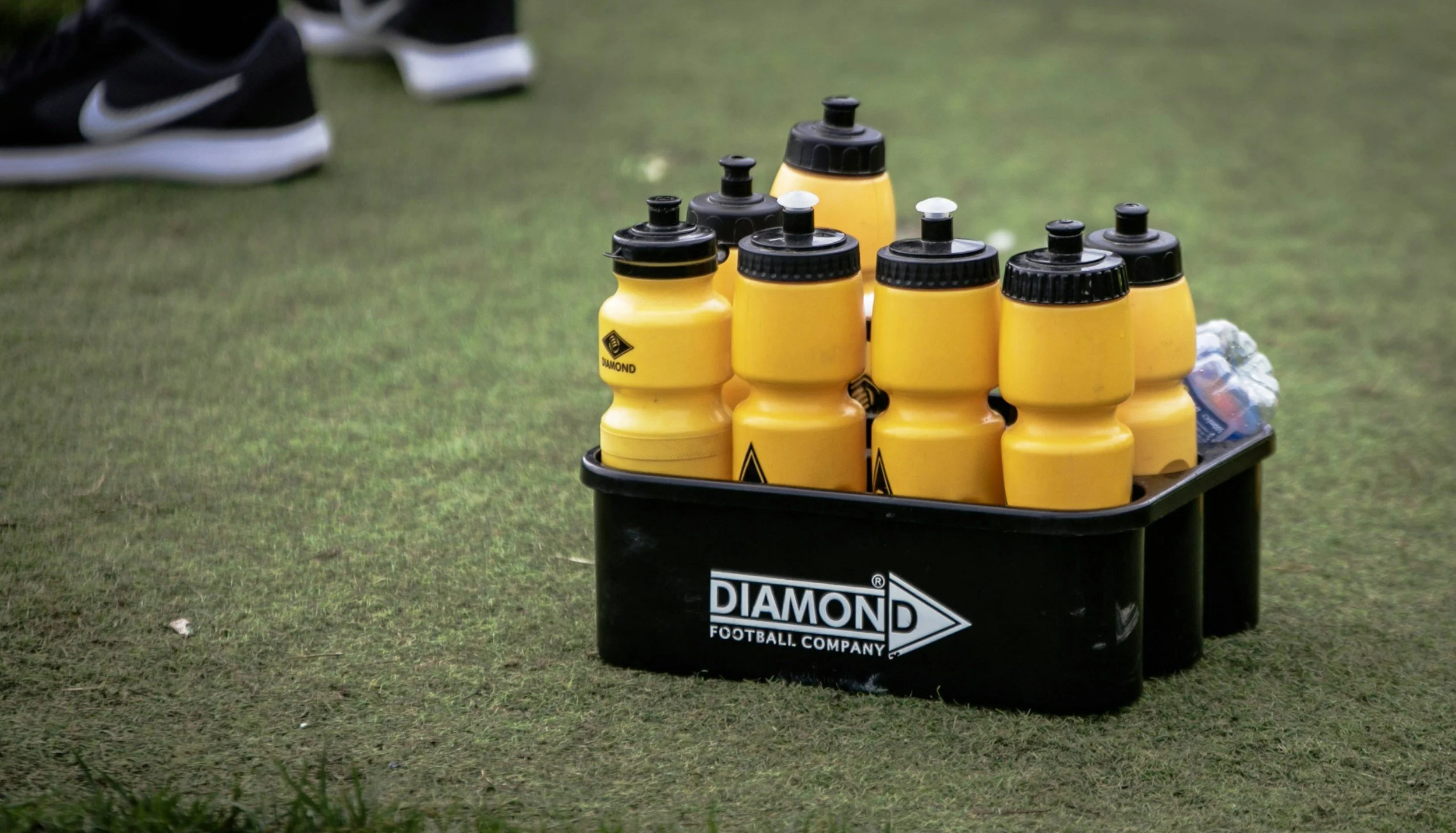
Sports drink bottles on field

MAYBE! The answer depends on several factors. In general, the goal during exercise is to minimize fluid loss by drinking routinely throughout.

Hydration matters because water plays a key role in regulating your body temperature. When you exercise, your muscles contract and generate heat. To cool down, your body sweats - losing both fluid and electrolytes, especially sodium. Sodium losses vary widely from person to person based on diet, sweat rate, and genetics, ranging between 230 to 1600+ mg per liter of sweat.

hydration Guidelines during exercise:

  • Less than 60 minutes: Water will keep you hydrated for workouts under 60 minutes of continuous activity.

  • More than 60 minutes: Switch to a sports drink that contains electrolytes. Aim for sodium of 150 to 180 milligrams per 8 fluid ounces.

Reasons to choose a sports drinks:

  • When you have more than one training sessions in a day.

  • You are training or playing in extreme heat.

  • You have a high sweat rate.

  • You struggle to meet hydration goals - some athletes find sports drinks easier to consume than water.

should the sports dirnk have carbs?

If exercise is less than 60 minutes, water or a sports drink option without carbs will work! When exercise is greater than 60 minutes, adding in carbohydrates helps to maintain optimal energy levels. Why? Per hour of exercise, you are burning about 30 to 60 grams of carbohydrates. OR instead of choosing a sports drink with carbs, you can choose to have the carbohydrates from foods like pretzels, chews, gels, or sports waffles.

sports drink Picks

  • Thorne Daily Electrolytes:

    Thorne Daily Electrolytes is a powdered product that is available in single serving or multi-serving tubs. It includes multiple electrolytes including sodium, potassium, magnesium, and chloride. With 480 milligrams sodium per packet (mixed with 16 oz water), 5 calories, 1 gram carb, and 1 gram sugar.

    When to use: Have this during intense workouts.

    Note: This is NSF for Sport certified.

  • Gatorade Hydration Booster:

    Gatorade Hydration Booster is a new powdered product by Gatorade made from a base of dried watermelon juice and delivers sodium and potassium. With 300 milligrams sodium per serving (recommended to mix with 16 oz water), 30 calories, 8 grams carbs, and 3 grams sugar.

    When to use: Have this during intense workouts!

  • Amino Energy Hydration by Optimum Nutrition:

    Amino Energy Hydration is a powdered product that includes a combination of electrolytes, amino acids, and caffeine!* It has a lower sodium level (105 milligrams per serving) - yet delivers a combination of electrolytes including magnesium, chloride, and potassium.

    When to use: Add about 45-minutes before intense workouts to boost energy and hydration levels.

    Note: Amino Energy is Informed Choice certified (third party tested)

    *Because of the caffeine content, this should not be consumed by children!

  • Suckerpunch Hydration Pickle Juice:

    This hydration alternative is an electrolyte infusion with calcium, magnesium, potassium, and 420 milligrams of sodium per serving. Plus, it comes in little single serving bottles which makes it super easy to have on the go.

    When to use: Add about 45-minutes before intense workouts to boost hydration levels - along with pre-workout water!

  • LMNT:

    LMNT is an electrolyte product with a higher sodium content and comes in both powder packets and canned drinks. Each packet provides 1,000 milligrams of sodium and each can provides 500 milligrams. It also includes potassium and magnesium for added electrolyte support.

    When to choose it: For during intense workouts for athletes with a high sweat rate.

    Note: LMNT is not NSF Certified for Sport.

What about coconut water?

What is great about coconut water is it is 100% juice and it is naturally rich in potassium - but does not have enough sodium to use to optimize hydration for long or intense workouts because it only has 25 to 30 milligrams of sodium per 8 fluid ounces. Although, adding in coconut water can be a delicious way to switch up your daily hydration routine.

get the sports nutrition guide

What’s your hydration question?

Send Molly Morgan your question and it could be answered in an upcoming post!

*This post includes affiliate links. If you purchase through these links, I may earn a small commission.

References:

  1. Nutrition for Athletic Performance: A Focus on Hydration - Today's Dietitian Magazine.

  2. The Science of Hydration. SportsRD.org

Print Friendly and PDF

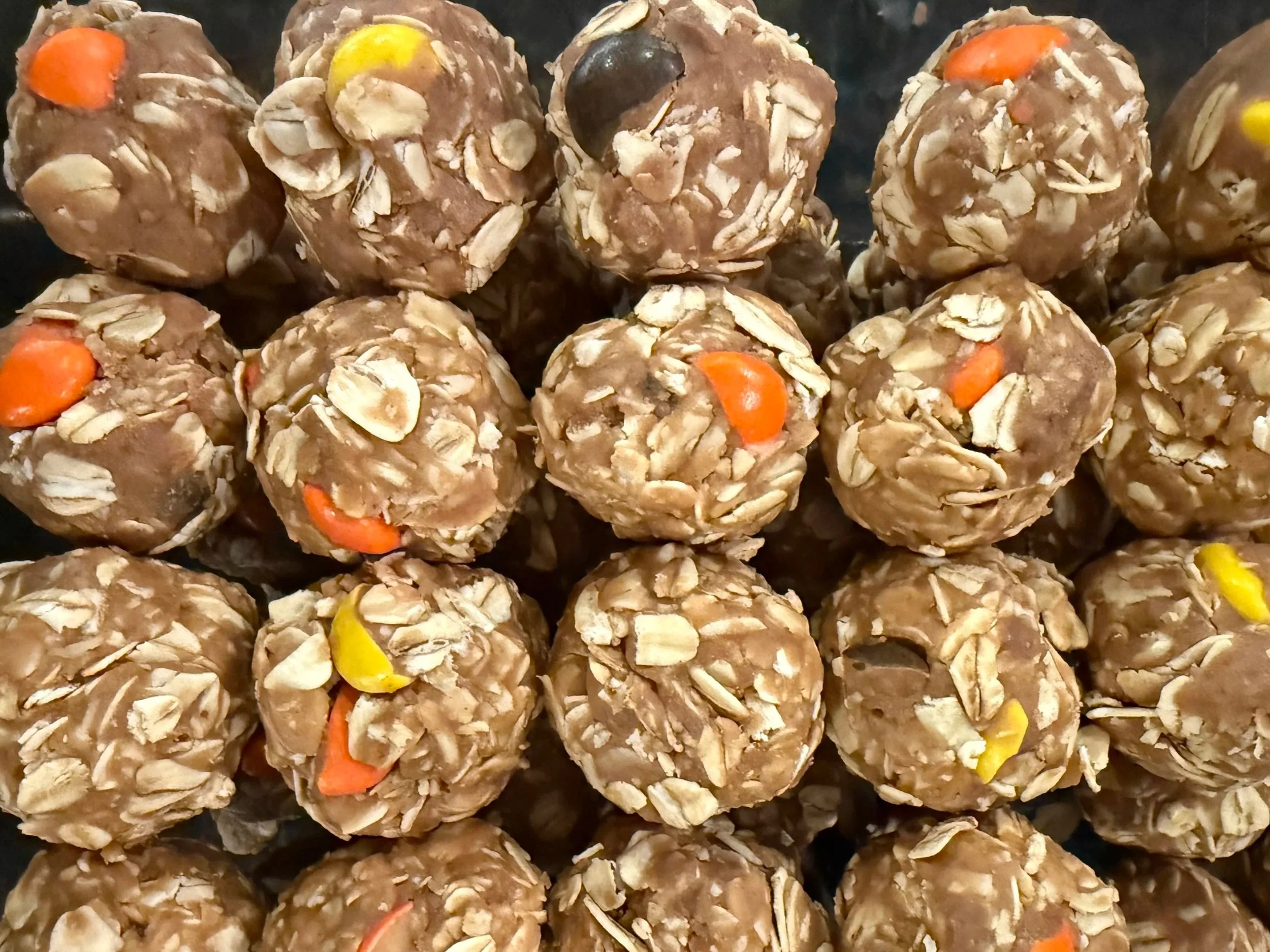
No-Bake Reese’s Protein Bites

No-Bake Chocolate Peanut Butter Protein Bites

Healthy snacking just got an upgrade with these delicious, healthyish No Bake Reese’s Protein Bites! If you love peanut butter cups and want a snack that fuels your busy day, this quick no-bake recipe delivers the perfect balance of flavor, protein, and whole-grain goodness.

Made with creamy peanut butter, rolled oats, protein powder, and chopped Reese’s Peanut Butter Cups, these bites feel like a treat — but still support your energy needs whether you’re heading to the gym, packing school lunches, or grabbing a mid-afternoon boost.

Why You’ll Love This Recipe

✔ No baking required
✔ Protein-packed snack for athletes and active families
✔ Perfect for meal prep — stores well in the fridge
✔ Great way to satisfy a sweet craving with better-for-you ingredients

Ingredients:

1/2 cup creamy peanut butter*
1/4 cup maple syrup
1 scoop Reese’s Peanut Butter & Chocolate protein powder (e.g., C4)
1 teaspoon salt
4 Reese’s Peanut Butter Cups (chopped)
1 package Reese’s Pieces (chopped)
2 cups old fashioned rolled oats

Directions:

  1. In a mixing bowl combine creamy peanut butter, maple syrup, protein powder, and salt. Mix until smooth and well combined.

  2. Stir in chopped Reese’s Peanut Butter cups, then add old fashioned rolled oats.

  3. Form into bite size pieces. Store in airtight container in the fridge for up to one week or freeze for longer storage.

Nutrition highlights (per bite): 95 calories, 4 grams fat, 0.5 grams saturated fat, 135 milligrams sodium, 12 grams carbs, 2 grams fiber, 4 grams protein

Customize Your Bites

  • *Swap peanut butter for sunflower butter, almond, or cashew butter.

  • Add mini chocolate chips or chopped Hershey chocolate bar for variety.

Print Friendly and PDF

Protein Grain Bowls: Dinner Made Simple

Protein Grain Bowls: Dinner Made Simple

Healthy eating doesn’t have to be complicated. With a few staple ingredients and a bit of creativity, you can prepare nutritious, protein-packed meals in minutes. These Protein Grain Bowls help you simplify dinner while nourishing your body and supporting your wellness goals.

Print Friendly and PDF

Health Benefits of Kefir: Why You Should Try It

Health Benefits of Kefir: Why You Should Try It

Discover the powerful health benefits of kefir — from gut support and immunity to bone health. Learn how to make it part of your daily routine safely.

Print Friendly and PDF

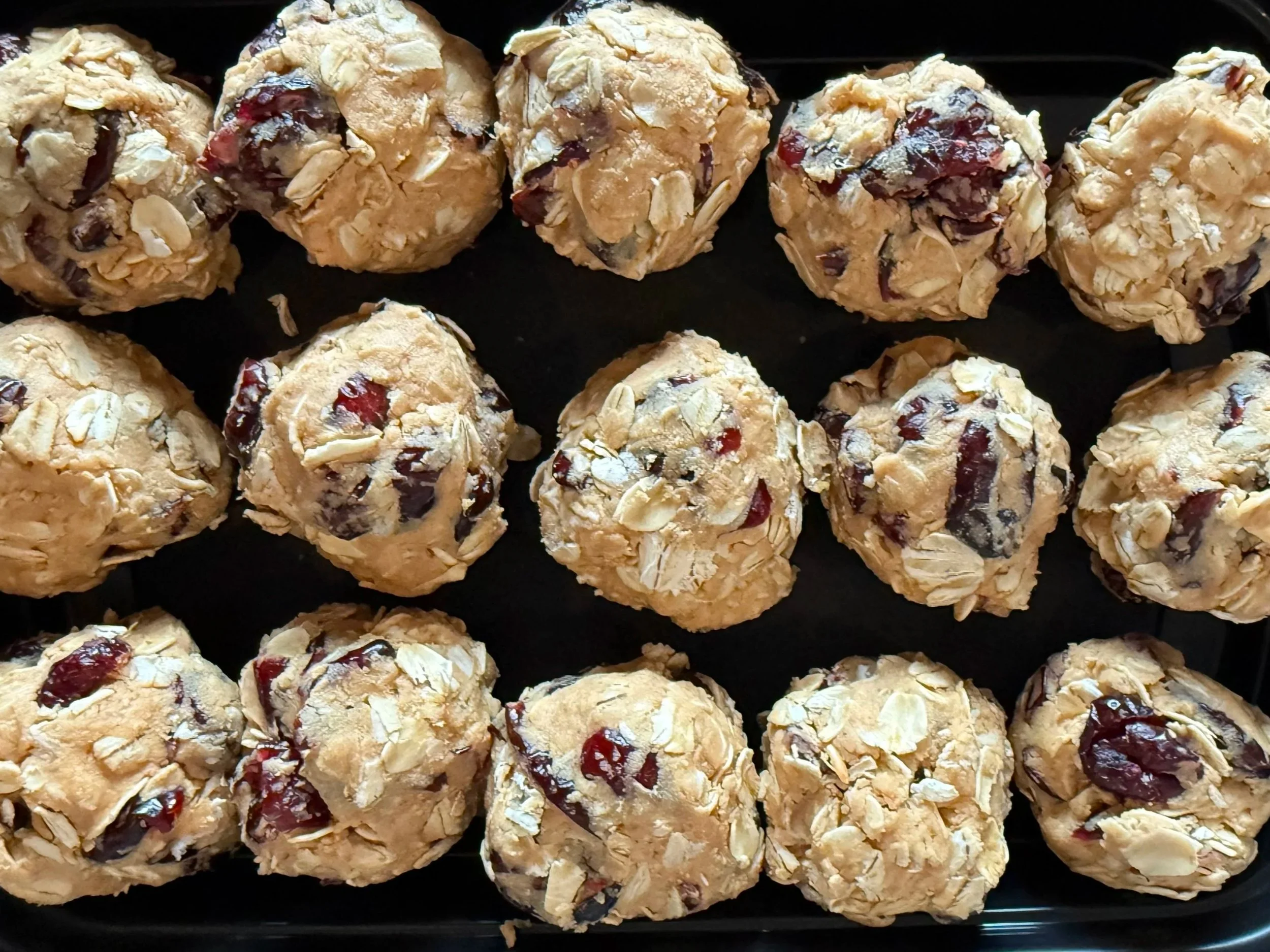
PB Cranberry Protein Bites | Easy High-Protein Snack

PB Cranberry Protein Bites | Easy High-Protein Snack

Whip up these no-bake PB Cranberry Protein Bites — a quick, high-protein snack for workouts or busy days. Created by Molly Morgan, RDN, CDN, CSSD.

Print Friendly and PDF

Pecan Peanut Butter Granola - Low Sugar, Dietitian Approved

This pecan peanut butter granola is easy to make and delicious — with only 3 g sugar per serving and fewer carbs than traditional granolas.

Print Friendly and PDF

Lacrosse Tournament Day Strategies and Tips!

When you're occupied all day with a tournament, staying fueled can be quite challenging! Here are some helpful tips and strategies to ensure you're well-prepared for your next tournament day.

Click here to download tips and strategies to help you at your next tournament!

Do you have a nutrition question? Click here to ask nutrition expert, Molly Morgan… your question could be answered in an upcoming blog post.

Print Friendly and PDF

What is the best pre-game meal for hockey? And when to have it?

Hockey pre game nutrition concept – ice rink and healthy meal fuel

Ice Hockey Rink and Healthy Meal Fuel (Image Source: iStock)

A: I spent 14 seasons working with the Ottawa Senators hockey organization and have worked with hundreds of pro hockey players. One of the key things I have found is that EVERYONE IS DIFFERENT when it comes to how to fuel for a hockey game. What works best for one player, won’t be the best for another. For example, there are players that find that rice gives their legs better energy compared to pasta and others that have had pasta every pre-game meal for as long as they can remember!

WHy carbs matter for hockey performance:

There are many factors to consider when choosing what to eat before a game. The most important one is this: stick with what works best for you. If you want to try a new pre-game meal, make sure to test it on a practice day first so you can see how your body responds.

You should also think about how many minutes you expect to play. The more ice time you anticipate, the more crucial it is to prioritize carbohydrates, since they’re the primary fuel source for high-intensity activity—exactly what hockey demands.

Pregame Meal Ideas

Pregame Meal Ideas

I recommend building your pre-game meal around a balance of nutrients: focus on carbohydrates, include some protein, and add a small amount of fat.

Here’s why this combination works: carbohydrates fuel the high-intensity demands of hockey, protein helps stabilize blood sugar levels, and a little fat provides longer-lasting energy to carry you through the game.

Meal ideas: What to eat before a Hockey Game

  • Pasta, Chicken, Sauce + Soup

  • Rice, Salmon (protein + fat), + Veggies

  • Potatoes, Chicken, and Veggies

  • Turkey Sub with Veggies, + Pretzels

  • PB + J Sandwich, + Smoothie (Fruit + Greek Yogurt)

  • Burrito with Grilled Chicken, Rice, and Veggies

  • More pre-game meal and snack ideas in the Fuel2Win Daily 5 Guide

Quick tips:

  • Drink water with your meal to help with your overall hydration level!

  • Soup is a GREAT addition to a pre-game meal because it tends to be salty, plus delivers liquids both which help with hydration levels. This is especially important for hockey players that tend to have a high sweat rate and play a lot of minutes.

  • Don’t overdo it on high fat foods like fried foods, these foods tend to “sit in your stomach” and won’t provide the quick energy needed to optimally fuel the sport of hockey.

WHEN TO EAT: timing your pre-Game meal

Ideally your pre-game meal would be a couple of hours before your game, to allow ample time for foods to start to digest. And then about 45-minnutes pre-game, top off energy stores with a small carb-focused snack that is easy on your stomach like a banana, graham crackers, or pretzels and water (about 8 to 16 oz).

On the go with sports? Pick up more tips, meal ideas, and hockey game day guidelines in the Fuel2Win Athletes Travel Guide.

Get your sports nutrition questions answered and a custom plan with a individual consultation with Molly Morgan, request a consult today.

Print Friendly and PDF

Q & A: Can a 13-year old take a protein powder after a workout?

Answer: No, I wouldn’t recommend it. In general, I recommend protein powder only when teens are older and even then, I always focus on food first and supplements second.

MOST children and teens (and adults too) meet their protein needs without taking protein supplements! The recommended protein intake for children 9 to 13 years old is 34 grams of protein per day. While active children do have slightly increased protein needs, one scoop of protein powder could have 20+ grams of protein or about 60% of their daily “need”.

Plus, many foods deliver protein and protein intake can add up quicker than you may think! Here is the approximate protein content of some foods:
4 ounces of meat, fish, or chicken - 28 grams protein
4 ounces of tofu - 18 g protein
1 cup of Greek yogurt - 16 grams protein
1 cup of black beans, kidney beans - 16 grams protein
2 tablespoons of peanut butter - 8 grams protein
1 cup of milk - 8 grams protein
1 cup of soy or pea protein milk - 8 grams protein
1 egg - 6 grams protein
1 ounce of cheese - 6 grams protein
1 packet of oatmeal - 4 grams protein

The winning “formula” to refuel after an intense workout is a combination of carbohydrates, fluids, and protein. This can be accomplished with a meal, a snack, a smoothie, or even chocolate milk!

  • Meal idea: Try a grain bowl with brown rice, grilled chicken, and veggies - paired with icy cold water! For more grain bowl ideas checkout Performance Bowls recipe collection.

  • Snack idea: Peanut butter + banana and icy cold coconut water!

  • Smoothie idea: Blend together 1 container (5.3 oz) of strawberry Greek yogurt, 1 cup frozen strawberries, and a 1/2 cup of milk or 100% orange juice. Blend until icy and smooth.

  • Chocolate milk: provides the perfect mix of fluids, carbohydrates, and protein. Another bonus of chocolate milk is that it is easy to bring with you or pick-up if you are traveling for sports. TIP: For an on-the-go chocolate milk solutions try Horizon Chocolate Milk boxes, a bonus is that they are shelf stable and do not need to be refrigerated.

If you are going to add a protein powder:

  1. Choose a protein powder that is third party certified (e.g. NSF Certified for Sport®), this will help to ensure that the product has in it what the container says and that it is free of banned substances. Plus, steer clear of products that have added “gainer” or “metabolism boosters”, these ingredients often lack scientific evidence and research to back the claims and are likely not safe for children and teens.

    Product Example: Vega Sport Protein Powder, Muscle Milk Pro Protein Powder, or Klean Athlete Recovery.

  2. Consider how much is a serving, protein powders can have 20 to 50 grams of protein “per serving” and adjust how much protein powder you add to a shake or smoothie for your teen. For example, only add 1/4 of a “serving” to keep the protein content in check.

To get your nutrition questions answered, drop us your question and we could answer it in an upcoming post!

Note: The products referenced in this post are not an advertisement.

Print Friendly and PDF

Wild Blueberry Overnight Oats

Wild Blueberry Overnight Oats

Wild Blueberry Overnight Oats
Serves 6 to 8

Ingredients:
2 cups old fashioned rolled oats
1 1/2 cups coconut milk
1 cup water
1 teaspoon vanilla
1/4 cup maple syrup (or sweetener of choice)
1/2 teaspoon salt
2 cups frozen wild blueberries

Directions:

  1. In a large mixing bowl, combine the oats and coconut milk together. Then stir in the vanilla, maple syrup, and salt. Stir to combine.

  2. Add in the frozen wild blueberries. Stir and transfer to a storage container or divide into single serving containers. Cover and refrigerate at least four hours or for best results, overnight.

  3. Enjoy cold or if desired, warm before serving.

Tip: For a protein boost, stir in a scoop of vanilla protein powder before serving!

Nutrition facts (per serving): 135 calories, 6 grams fat, 5 grams saturated fat, 0 milligrams cholesterol, 150 milligrams sodium, 12 grams carbohydrates, 2 grams fiber, 7 grams sugar, 1.5 grams protein

Print Friendly and PDF